The Changing Nature of Work in Modern Society: Adapting to a New Professional Reality
Work has always been a central pillar of society, shaping not only economies but also individual identity, social structure, and cultural values. For generations, the concept of work followed a relatively predictable pattern: fixed hours, physical workplaces, and clearly defined roles. Today, that model is rapidly evolving. Technological advancement, social change, and global events have transformed how people work, why they work, and what they expect from their professional lives. Understanding this shift is essential to navigating the future of society and work.
The Evolution of Work Culture
Historically, work was closely tied to survival and social status. Agricultural societies depended on physical labor, while the industrial era introduced factories, specialization, and standardized schedules. The modern office emerged in the 20th century, bringing with it the nine-to-five routine, hierarchical management, and long-term employment.
In recent decades, however, work culture has become more fluid. Knowledge-based economies prioritize skills, creativity, and adaptability over physical presence. Employees are increasingly valued for what they produce rather than how many hours they spend at a desk. This shift has encouraged more flexible work arrangements and challenged traditional notions of productivity.
Remote Work and the Redefinition of the Workplace
One of the most significant changes in society and work is the rise of remote and hybrid work models. Advances in digital communication tools have made it possible for people to collaborate across cities, countries, and time zones. What was once a perk offered by a few companies has become a mainstream option for millions of workers.
Remote work has reshaped daily life. Commuting time has been reduced, offering employees greater control over their schedules and improved work-life balance. At the same time, it has blurred the boundaries between professional and personal life. Many workers struggle to “switch off,” leading to new conversations about burnout, mental health, and the right to disconnect.
From a societal perspective, remote work has also affected urban planning and demographics. Some people are leaving large cities in favor of smaller towns, reshaping local economies and redefining where opportunity exists.

Technology and Automation in the Workplace
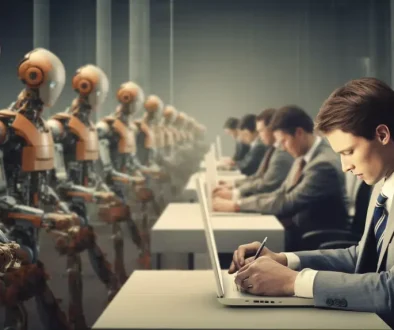
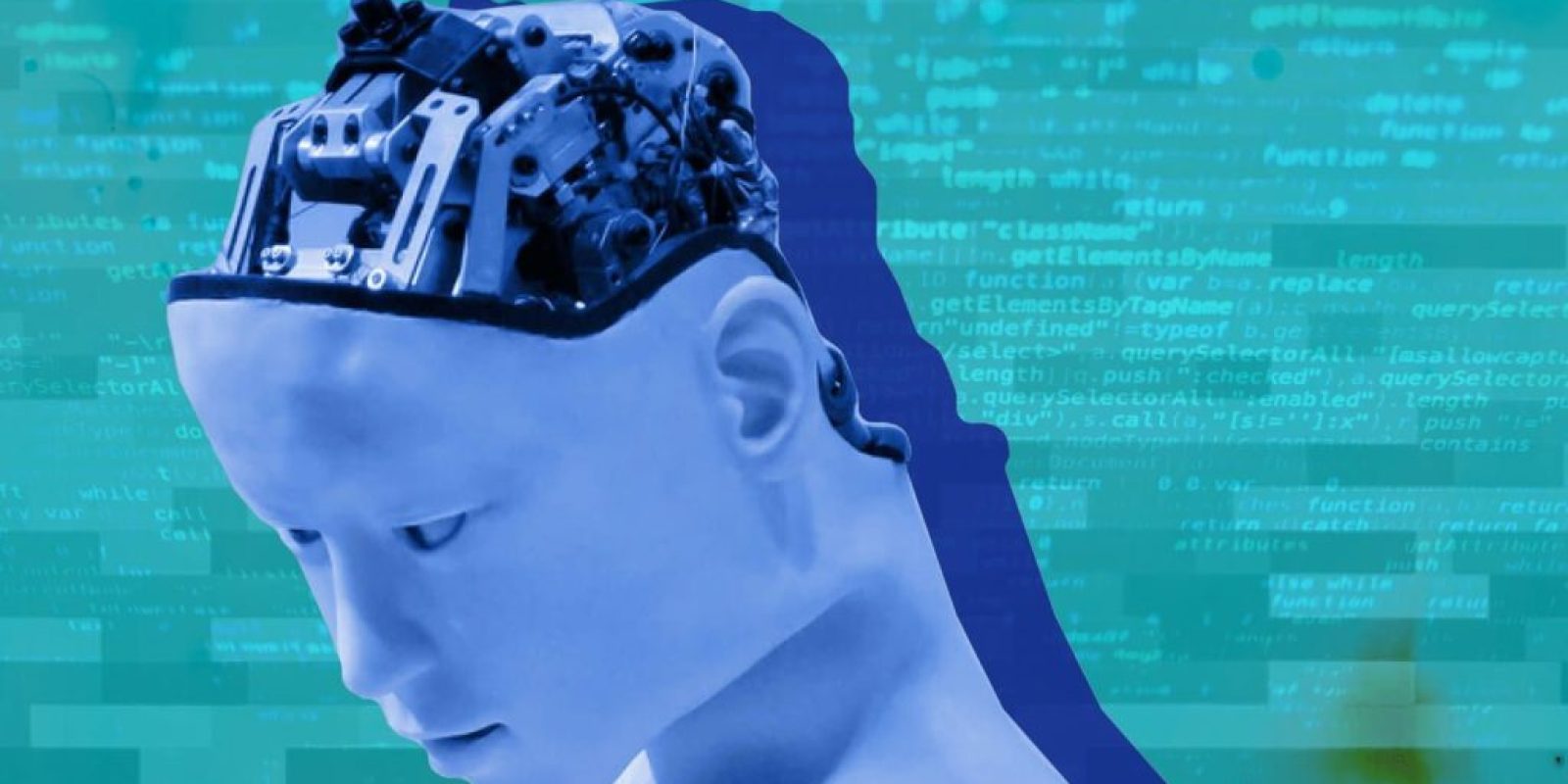
Technology has always influenced work, but the current pace of change is unprecedented. Automation, artificial intelligence, and machine learning are transforming industries ranging from manufacturing and finance to healthcare and education. Routine tasks are increasingly handled by machines, allowing humans to focus on problem-solving, creativity, and interpersonal skills.
While these developments increase efficiency, they also raise concerns about job displacement. Many traditional roles are disappearing, and workers must continuously reskill to remain relevant. Society faces the challenge of ensuring that technological progress benefits everyone, not just a small segment of the workforce.
Education systems and employers are responding by emphasizing lifelong learning. Skills such as digital literacy, critical thinking, and adaptability are becoming essential. In this new environment, a single career path may be replaced by multiple transitions across industries and roles.
The Gig Economy and Flexible Employment
Another defining feature of modern work is the rise of the gig economy. Freelancers, contractors, and platform-based workers now make up a significant portion of the labor force. This model offers flexibility and independence, allowing individuals to choose when and how they work.
However, gig work also highlights social inequalities. Many gig workers lack job security, benefits, and legal protections traditionally associated with full-time employment. This has sparked debates about workers’ rights, fair wages, and the responsibilities of companies in a changing labor market.
From a societal standpoint, the gig economy reflects a broader shift toward individualization. People are increasingly responsible for managing their own careers, finances, and well-being. While empowering for some, this shift can also increase stress and economic uncertainty for others.
Work, Identity, and Mental Well-Being
Work is more than a source of income; it is deeply tied to identity and self-worth. In many societies, people define themselves by what they do, making employment a key factor in social status and personal fulfillment. As work becomes more flexible and less stable, this relationship is changing.
Younger generations, in particular, are questioning traditional definitions of success. Meaningful work, personal values, and mental health are often prioritized over job titles and salaries. This has encouraged organizations to rethink leadership, company culture, and employee engagement.
At the same time, societal pressure to be constantly productive remains strong. Digital connectivity can create expectations of availability at all times, contributing to stress and anxiety. Addressing mental well-being in the workplace is no longer optional—it is a social necessity.
Gender, Diversity, and Inclusion at Work
The modern conversation about work cannot ignore issues of equality and inclusion. Societal movements have pushed organizations to address gender gaps, racial inequality, and discrimination in the workplace. Flexible work arrangements have helped some groups, particularly women and caregivers, better balance professional and personal responsibilities.
However, challenges remain. Unpaid care work is still unevenly distributed, and access to opportunities varies widely across social and economic backgrounds. Building truly inclusive workplaces requires systemic change, including fair policies, transparent leadership, and cultural awareness.
The Future of Society and Work
Looking ahead, work will continue to evolve alongside society. Technological innovation, demographic shifts, and global challenges such as climate change will influence how and where people work. Traditional employment models may give way to more diverse and personalized arrangements.
Governments, employers, and communities will play a crucial role in shaping this future. Policies that support education, worker protection, and social security will be essential to maintaining stability during periods of change. At the same time, individuals must be prepared to adapt, learn, and redefine their relationship with work.
Conclusion
The changing nature of work reflects broader transformations within society. As boundaries between office and home, human and machine, and stability and flexibility continue to blur, new opportunities and challenges emerge. Work is no longer just a place or a schedule—it is an evolving social experience shaped by technology, values, and human needs. By understanding these shifts, society can work toward a future where productivity, purpose, and well-being coexist.